

A Living Body of Work
The ideas presented on this website represent an ongoing effort to advance the understanding of air distribution and environmental control within controlled environment agriculture. As research, industry feedback, and practical experience continue to shape these concepts, website content may be revised periodically.
This site is intended to complement The Path Not Traveled, which serves as the primary reference document for the Canopy-Direct™ methodology. Where differences exist between website content and the white paper, readers should defer to the white paper as the definitive statement of the concepts presented.
Climate Control for Controlled Environment Agriculture
What If We Stopped Conditioning the Room and Started Conditioning the Canopy?
The Path Not Traveled
A Different Way to Think About Environmental Control
Our Vission
To advance Controlled Environment Agriculture through innovative HVACD engineering that delivers greater efficiency, sustainability, and crop performance.
Our Mission
To help growers and engineering teams design canopy-focused climate systems using measurable engineering principles and practical solutions.
Why Work With Us
- Engineering-first methodology
- Research-driven innovation
- Advanced psychrometric analysis
- Practical commissioning strategies
Controlled Environment Agriculture depends on precise control of temperature, humidity, airflow, and plant transpiration.
Yet conventional air distribution typically conditions the room first, allowing supply air to mix with the surrounding environment before reaching the crop. Canopy-Direct™ challenges that approach.
Instead of treating the room as the primary reference, Canopy-Direct™ focuses the engineered air path directly on the crop canopy.
Social Media:
THE PROBLEM
The Room Is Not the Crop
Traditional air distribution conditions the room first and the crop second. Canopy-Direct™ takes a different approach by making the canopy the primary point of air delivery, measurement, and control.
Why Traditional Air Distribution Fails
Traditional systems mix conditioned air with room air before it reaches the canopy, creating a less direct path between the HVACD system and the plants.
The Hidden Cost of Air Mixing
Room mixing can require greater airflow and equipment capacity while adding fan energy, noise, maintenance, and climate-control complexity.
Common Industry Misconceptions
Room conditions can look right while canopy conditions tell a different story. Climate must be measured where the crop actually experiences it.
The Question
How effectively does conditioned air actually reach the canopy?
Conditioning Air Is Only Part of the Challenge
When conditioned air is diluted before reaching the crop, the HVAC system may need to move and condition more air to achieve the desired canopy environment.
- Moisture removal
- VPD control
- Airflow requirements
- Cooling capacity
- Uniformity of the growing environment
The Canopy-Direct™ Approach
DELIVER DRY CONDITIONED AIR WHERE IT MATTERS MOST
Direct Air Path
Reduce the distance and dilution between conditioned supply air and the crop canopy.
Canopy-Focused Control
Use canopy conditions as a more direct reference for environmental control.
Engineering Efficiency
The analyzed example demonstrates potential reductions in calculated HVAC capacity and airflow.
Canopy-Direct™ Air Distribution applies a different engineering strategy: conditioned air is delivered directly to the crop canopy, creating a more direct relationship between the HVAC system and the environment experienced by the plant.
Room-Mixed vs Canopy-Direct™
The engineering analysis presented in The Path Not Traveled compares two fundamentally different air distribution approaches.
49% Less Airflow
HOW CANOPY-DIRECT™ WORKS
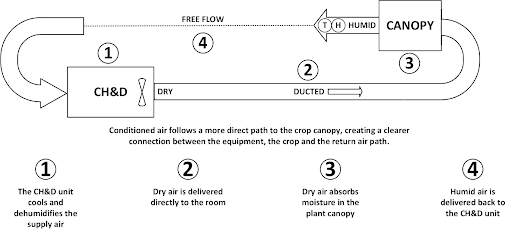
Conventional room-mixed HVAC systems dilute conditioned air before it reaches the crop canopy, increasing airflow requirements and equipment capacity. Canopy-Direct™ delivers conditioned air directly to the canopy, improving efficiency and providing more precise climate control.
Condition Air
The CH&D unit cools and dehumidifies the supply air to the required conditions.
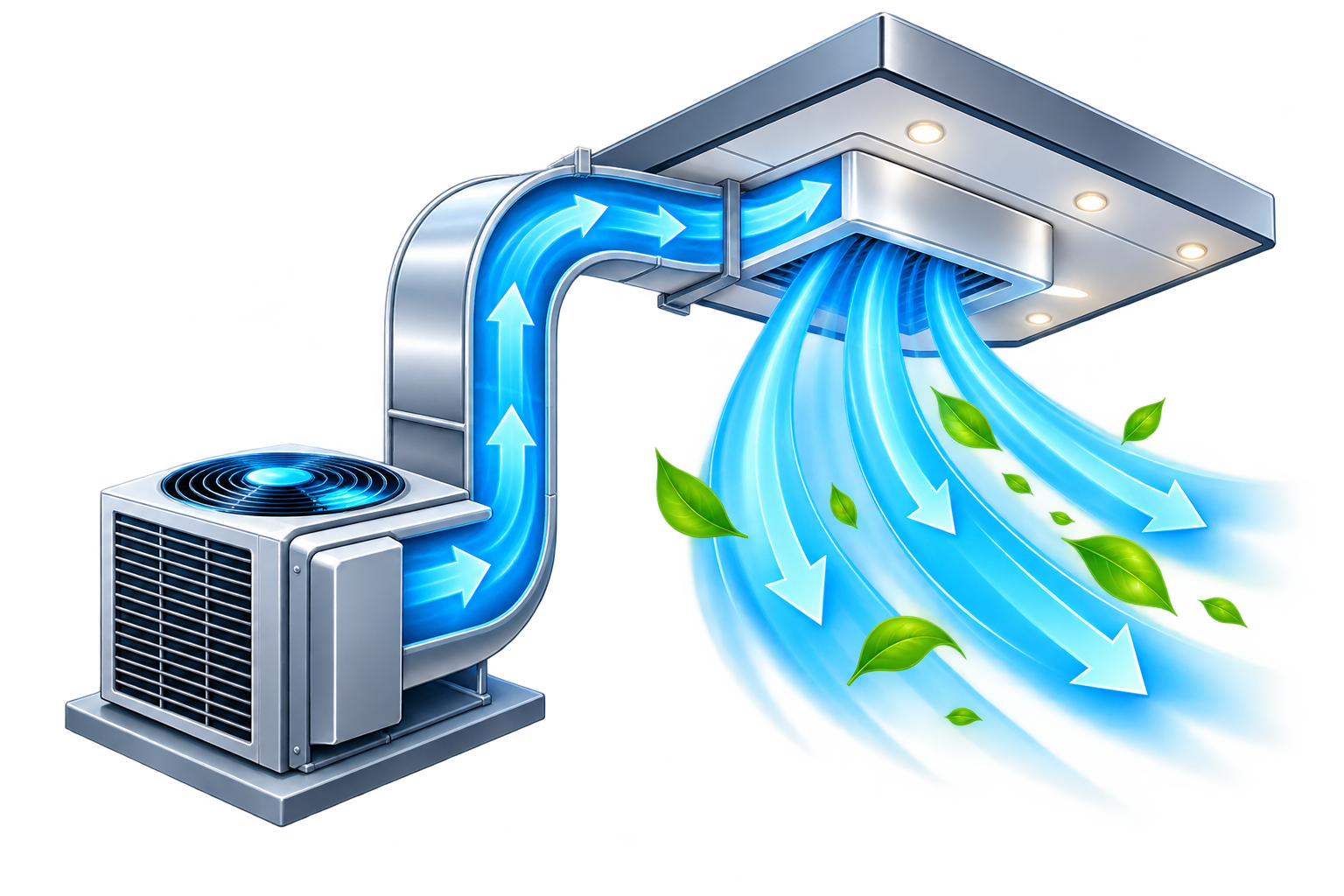
Deliver Air to Canopy
Conditioned air is delivered directly to the crop canopy instead of mixing throughout the room.
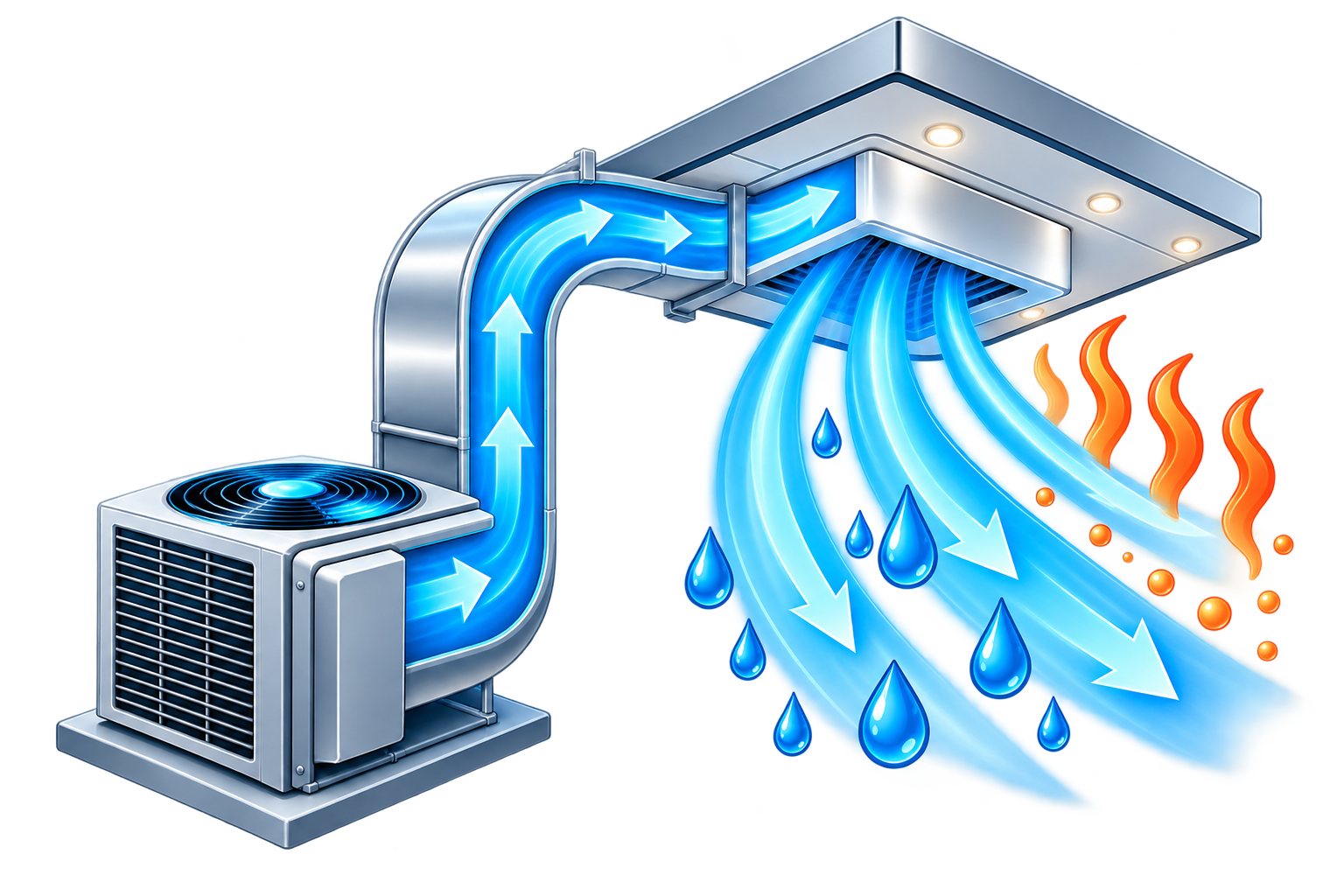
Remove Heat & Moisture
Air absorbs plant heat and moisture directly at the canopy for precise climate control.
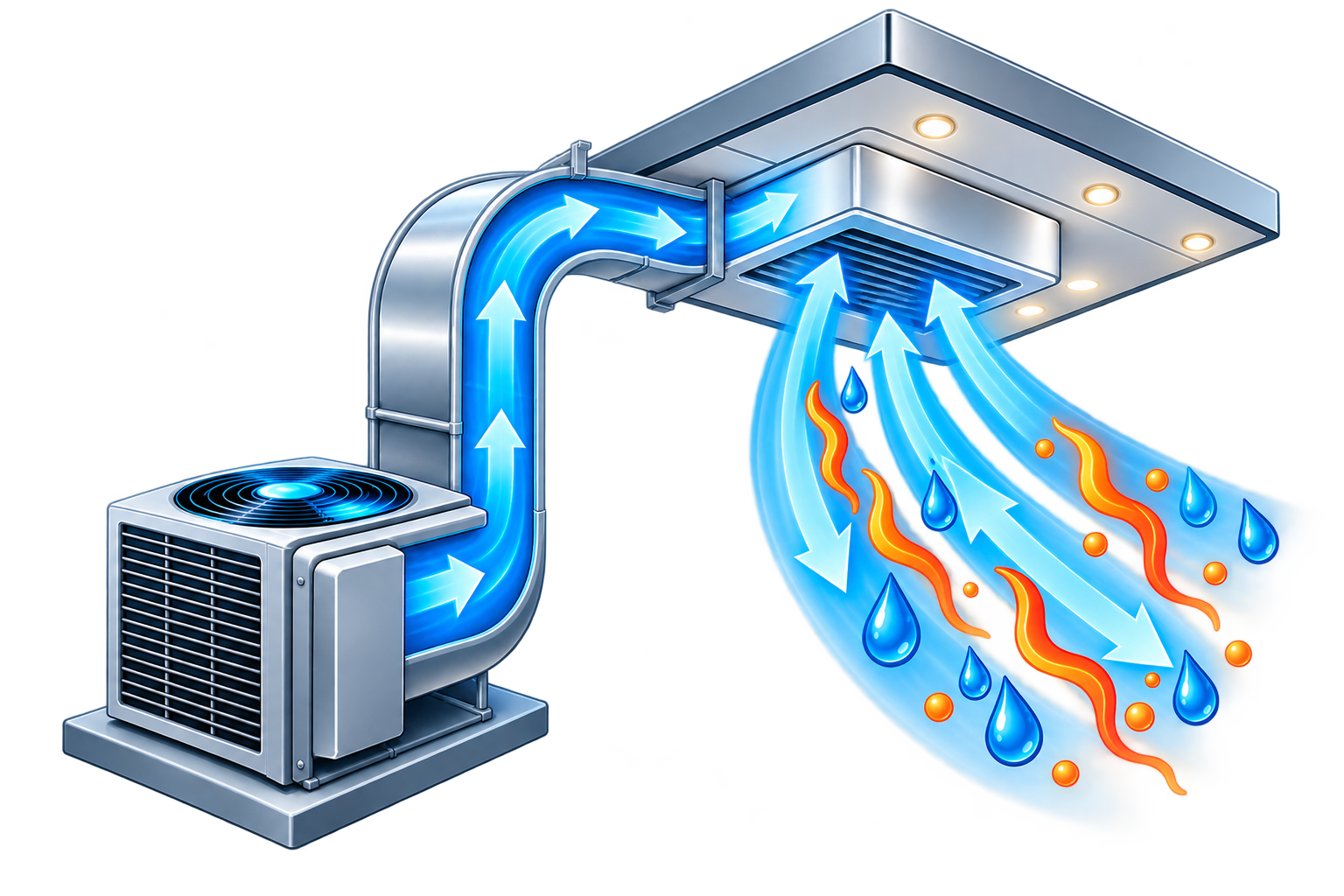
Return to CH&D
Canopy-leaving air returns directly to the CH&D unit for continuous optimisation.
The Science
Environmental Control Begins at the Canopy
The performance of a controlled environment depends on the interaction between air, plants, heat, moisture, and airflow.
Plant Transpiration
Understanding the movement of moisture from the plant into the surrounding air.
Psychrometrics
Understanding the thermodynamic properties and relationships of moist air.
Boundary Layers
Understanding the air immediately surrounding the plant canopy.
Canopy Microclimates
Recognizing that canopy conditions can differ from broader room conditions.
Vapor Pressure Deficit
Understanding the relationship between temperature, humidity, and the plant environment.
Canopy Airflow Dynamics
Air velocity and air movement influence heat transfer, moisture removal and the conditions experienced by plants.
Resources
Explore the Research Behind Canopy-Direct™
The Future of Indoor Agriculture HVAC
July 28, 2026 The Future of Indoor Agriculture HVAC Lorem ipsum dolor…
Psychrometrics in Vertical Farming
July 28, 2026 Psychrometrics in Vertical Farming Lorem ipsum dolor sit amet,…
Understanding Canopy Air Distribution
July 28, 2026 Understanding Canopy Air Distribution Lorem ipsum dolor sit amet,…
Our FAQs
Frequently Asked Questions
Canopy-Direct™ delivers conditioned air directly to the crop canopy instead of allowing it to mix throughout the room, providing a more direct and measurable airflow path.
Plant performance is governed by canopy temperature, humidity, vapor pressure, VPD, and airflow—not room-average conditions.
Many facilities can evaluate retrofit opportunities through engineering analysis and airflow optimization.
Vertical farming, indoor agriculture, cannabis cultivation, hydroponics, research facilities, and Controlled Environment Agriculture.
INDUSTRIES
Designed for Controlled Environment Agriculture
Canopy-Direct™ can be explored across a range of controlled growing environments.
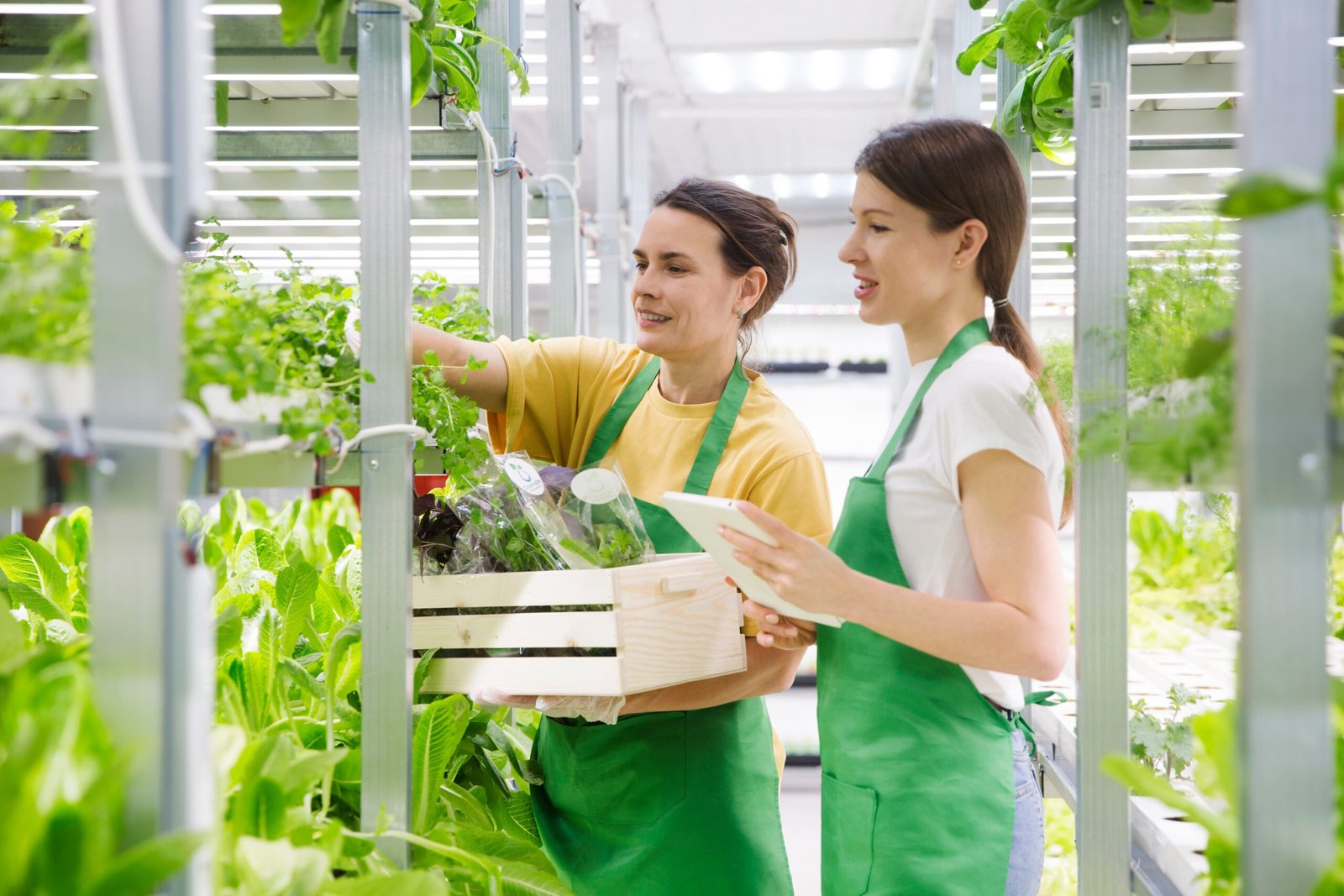
Vertical Farming
Engineered environmental control for vertically integrated growing systems.
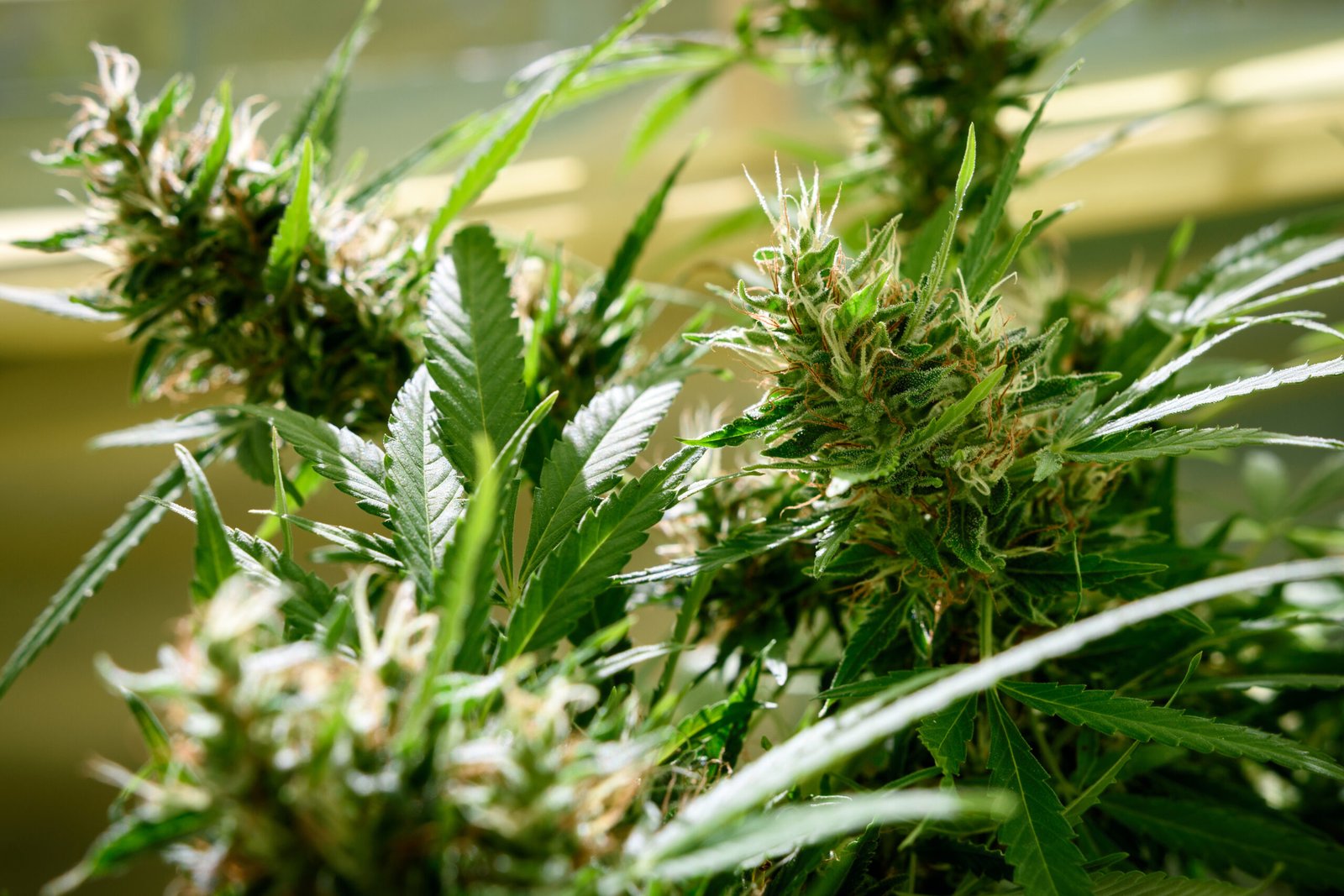
Cannabis Cultivation
Canopy-focused temperature, humidity, airflow, and VPD considerations.
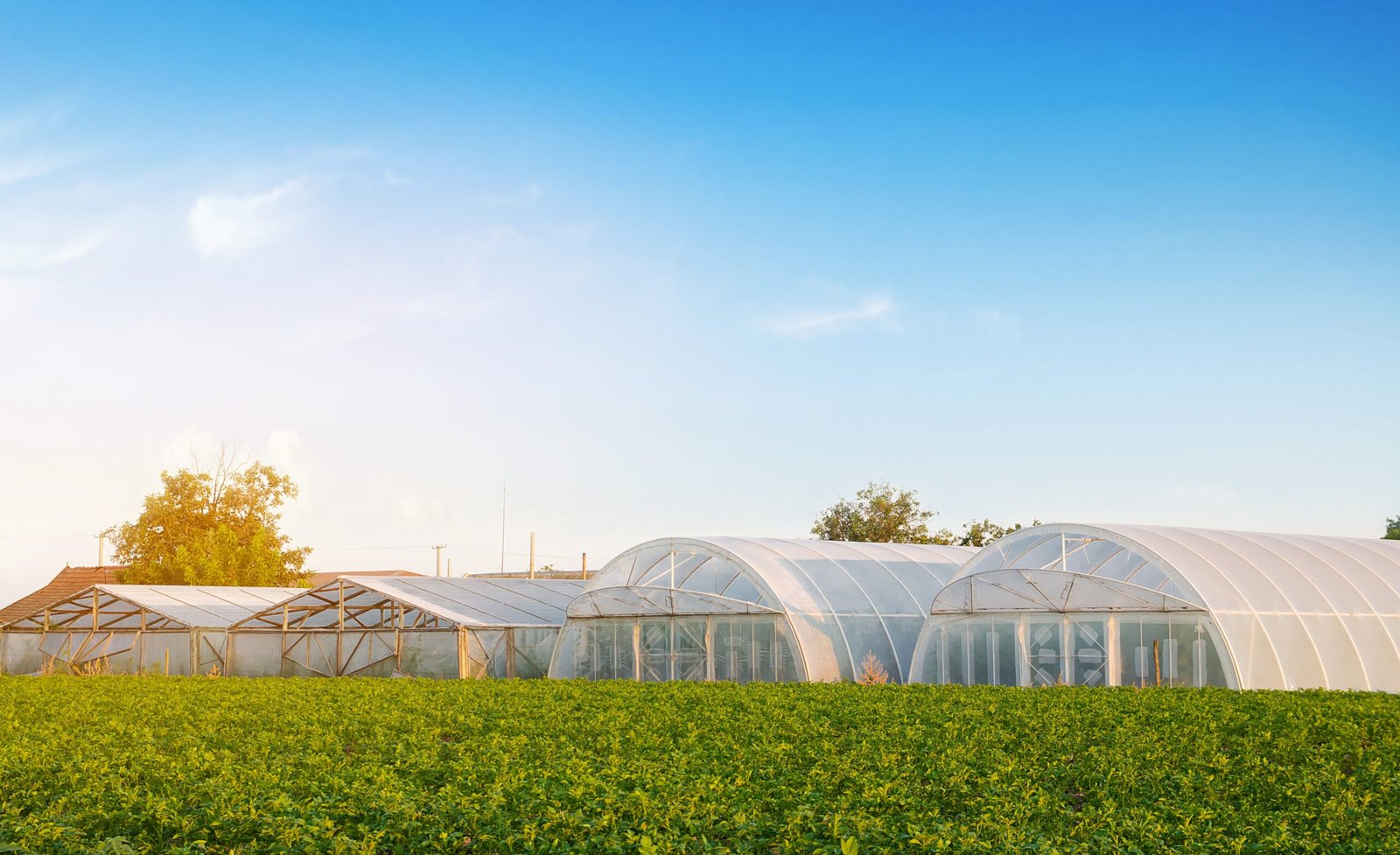
Greenhouses
Applying precision environmental engineering to controlled greenhouse environments.
Licensing
License Canopy-Direct™
Canopy-Direct™ is designed to bring a more direct, measurable approach to climate control in canopy-dominated environments. Explore opportunities to integrate, deploy, and commercialize the technology.
Licensing Opportunities
Explore opportunities to license Canopy-Direct™ technology and incorporate its air-distribution approach into new products, systems, and facilities.
Benefits to Manufacturers
Differentiate your HVACD solutions with a canopy-focused air-distribution methodology designed to reduce unnecessary airflow and improve climate-control efficiency.
Benefits to Growers
Discover how canopy-focused air delivery can support more direct control of temperature, humidity, VPD, and airflow while reducing unnecessary system complexity.
The Difference Can Be Quantified
The Path Not Traveled analysis compares Room-Mixed and Canopy-Direct™ air distribution under specified design conditions.
36%
lower tonnage and energy consumption.
49%
lower airflow and associated energy consumption.
The analysis demonstrates how changing the air distribution strategy can affect calculated HVAC capacity and airflow requirements.
WALTER STARK
Inventor of Canopy-Direct™
Walter Stark brings an engineering perspective to one of the fundamental challenges in Controlled Environment Agriculture: how conditioned air is delivered to the crop.
Through his work and the development of Canopy-Direct™, Walter has explored an alternative approach to environmental control centered on the relationship between conditioned air and the crop canopy.
He is also the author of The Path Not Traveled, which provides the technical foundation for the Canopy-Direct™ approach.
Rethink the Way Air Reaches the Crop
The future of controlled environment agriculture may depend not only on how air is conditioned—but where and how that conditioned air is delivered.